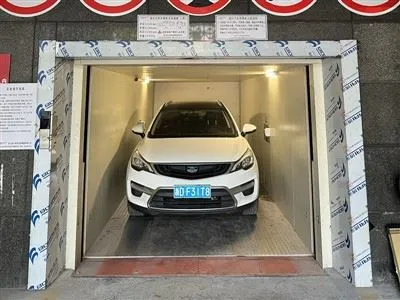
Hey there! As a supplier of Planar Movement Automated Car Parks, I often get asked this one burning question: "How long does it take to build a Planar Movement Automated Car Park?" Well, let me break it down for you.
First off, building a Planar Movement Automated Car Park isn't like your regular parking lot. It's a high - tech, sophisticated system that needs careful planning and execution. There are a bunch of factors that can affect the construction time, and I'll go through each one of them.
Site Preparation
The very first step is site preparation. This is where the groundwork, quite literally, gets laid. We need to assess the land, make sure it's stable and suitable for the car park. If the site has any existing structures, we've got to demolish them. And then there's the matter of leveling the ground.
The time it takes for site preparation can vary a lot. A small, relatively flat site with no existing buildings might take just a couple of weeks. But if it's a large area with old structures and uneven terrain, it could take months. For example, if there are underground utilities that need to be relocated, that can really slow things down.
Design and Permitting
Next up is the design phase. This is where we work with architects and engineers to come up with a layout that fits the client's needs. We need to consider things like the number of parking spaces, the flow of traffic in and out of the car park, and how the automated system will operate.
Designing a Planar Movement Automated Car Park is a complex process. It usually takes around 2 - 3 months to finalize the design. Once the design is done, we have to get the necessary permits from the local authorities. This can be a real headache sometimes. The permitting process can take anywhere from a few weeks to several months, depending on the local regulations and how busy the permitting office is. You can read more about the importance of standardized systems in reducing project risks in our article Why Standardized Parking Systems Reduce Project Risk.
Manufacturing and Assembly
After we've got the design and permits sorted, it's time to start manufacturing the components of the car park. The parts for a Planar Movement Automated Car Park are made in a factory, and this process can take 3 - 6 months. The time depends on the size of the car park and the complexity of the system.
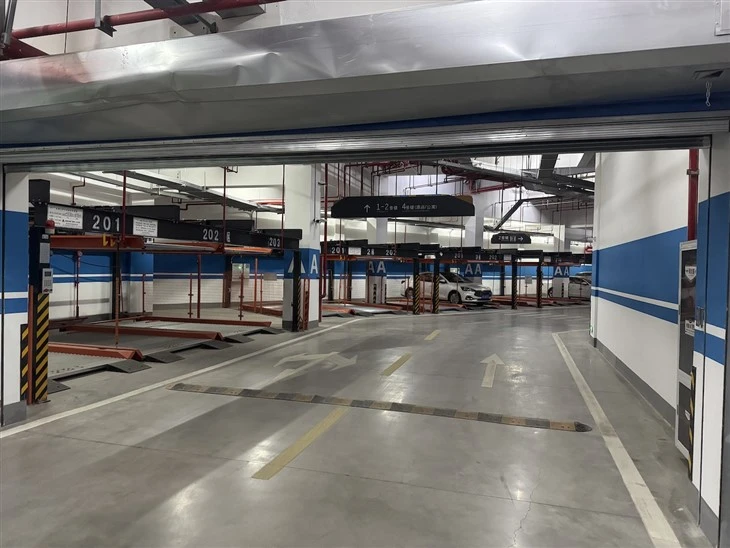

Once the parts are manufactured, they are transported to the site for assembly. Assembly is a critical phase. It involves putting together all the mechanical and electrical components of the automated system. This usually takes about 2 - 3 months. During this time, our technicians have to make sure that everything is installed correctly and that the system works smoothly.
Testing and Commissioning
After assembly, we can't just open the car park to the public right away. We need to test the system thoroughly. Testing involves running the automated system through a series of simulations to make sure it can handle different scenarios, like multiple cars entering and exiting at the same time.
Testing can take anywhere from 1 - 2 months. If any issues are found during testing, we have to fix them before we can move on to the commissioning phase. Commissioning is when we officially hand over the car park to the client. It's a big moment, and it marks the end of the construction process.
Overall Timeline
So, if we add up all these phases, the total time to build a Planar Movement Automated Car Park can range from 8 months to 18 months. A small - scale car park with a simple design might be completed in around 8 - 10 months. But a large, complex car park in a busy urban area could take up to 18 months or even longer.
It's important to note that these are just estimates. Every project is unique, and unexpected issues can arise during the construction process. For instance, bad weather can delay outdoor work, or supply chain disruptions can hold up the delivery of components.
In dense urban areas, there are additional challenges. The limited space and high demand for parking make the construction process more difficult. You can learn more about the Parking Challenges in Dense Urban Areas. Our mid - rise puzzle parking solutions can be a great option for these areas, and you can find more details about them in our Mid - Rise Puzzle Parking article.
Why Choose Our Planar Movement Automated Car Parks
Now, you might be wondering why you should choose our Planar Movement Automated Car Parks. Well, for starters, our systems are highly efficient. They can maximize the number of parking spaces in a given area, which is great for crowded cities. The automated system also reduces the time it takes for drivers to find a parking spot, making the whole parking experience much more convenient.
Our car parks are also very safe. The automated system is designed with multiple safety features to prevent accidents. And since the cars are parked by the system, there's less risk of damage from human error.
Contact Us for a Quote
If you're interested in building a Planar Movement Automated Car Park, we'd love to hear from you. Whether you're a developer looking to add parking to a new building or a business owner wanting to improve your existing parking situation, we can help. Just reach out to us, and we'll work with you to come up with a customized solution that fits your needs and budget.
References
- General knowledge of the parking industry and construction processes.
- Insights from past projects and client experiences.