

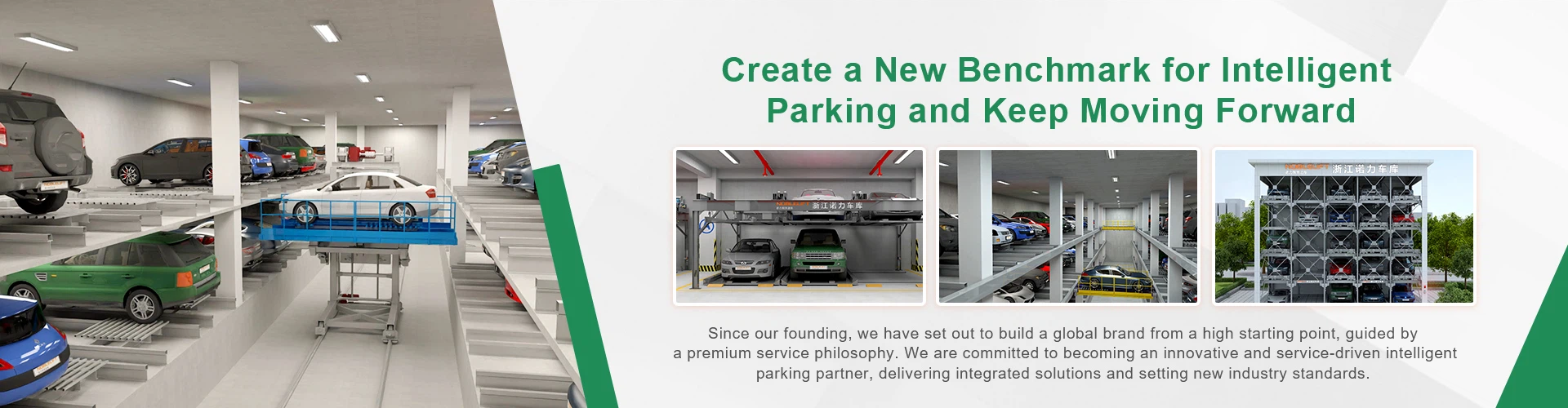


Vehicle Lift
Comant: Your Professional Mechanical Parking System Manufacturer in China
Hangzhou Comant Intelligent Equipment Co., Ltd. is a state-controlled manufacturer specializing in the R&D and production of mechanical parking systems.
Backed by Zhejiang Topchance Group, Comant integrates intelligent design, precision manufacturing, and project-based delivery to provide reliable parking solutions for residential, commercial, and public buildings worldwide.
With over 80 core technologies and extensive project experience across China and overseas markets, Comant has become a trusted partner for developers, contractors, and parking solution providers.


Why choose us ?
High Quality Mechanical Parking Systems:All products are designed and manufactured under strict quality management systems, ensuring stable operation, structural safety, and long service life.
Advanced Equipment & Manufacturing Capability:Equipped with modern CNC machining centers, automated welding lines, and precision inspection tools to guarantee consistent product accuracy.
Professional Engineering Team:Our experienced R&D and engineering team provides structural optimization, layout planning, and customized parking solutions for complex projects.
Custom Service (ODM / OEM Accepted):Comant offers flexible customization based on site conditions, vehicle types, and local standards, supporting both ODM and OEM cooperation.
One-stop Parking Solution:From design consultation and manufacturing to installation guidance and after-sales support, we provide a complete turnkey service.
Competitive Price with Long Warranty:Optimized production processes and stable supply chains allow us to deliver cost-effective solutions with extended warranty support.
What is Mechanical Parking System?

A mechanical parking system is an automated or semi-automated vehicle storage solution that uses mechanical structures and control systems to maximize parking capacity within limited space.
Compared with traditional parking lots, it significantly improves land utilization while enhancing parking efficiency and safety.
Advantages of Mechanical Parking System
Space-Saving Design
Vertical lifting and horizontal movement allow multiple vehicles to be parked in the footprint of a single traditional space.
01
High Parking Efficiency
Automated operation reduces parking and retrieval time, improving overall traffic flow.
02
Flexible Layout Adaptation
Suitable for underground garages, narrow sites, irregular plots, and renovation projects.
03
Enhanced Safety
Equipped with multiple safety protection devices to prevent misoperation, overload, or unauthorized access.
04
Lower Long-Term Operating Cost
Reduced land usage and manpower requirements help decrease overall investment and operating expenses.
05
Types of Mechanical Parking Systems
According to structure and operation mode, mechanical parking systems mainly include:
Vehicle Lift
What is Vehicle Lift?
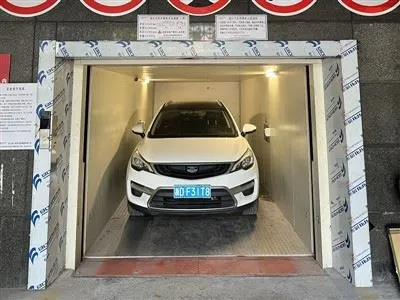
A vehicle lift is mechanical equipment that raises cars or other vehicles off the ground, providing access to the undercarriage for maintenance, repairs, and inspections, with common types including hydraulic or electric two-post lifts for workshops and four-post storage lifts for garages, plus car elevators for vertical parking. These lifts use powered systems (like hydraulic fluid or electric motors) to safely elevate vehicles, enabling technicians and enthusiasts to work efficiently underneath them.
What are features of Vehicle Lift?
Protects your investment: Your vehicle is a prized possession and a valuable investment. Protect your investment by parking it inside your garage, which has many benefits:
•Vehicles that are parked inside your garage are protected from burglary and vandalism.
•Parking your vehicle in a garage helps protect the paint and cleanliness of your vehicle.
Optimizes your garage space: Most homes have a one-car garage. If your family has two cars, then you won’t be able to park your cars in a one-car garage. In this case, you won’t be able to enjoy the benefits of having garage storage. With the help of a vehicle lift, you can park your second car below your first car.
Off-season garage storage: Regions with cold winters don’t have ideal weather conditions for operating classic cars or high-end sports cars. If you have limited garage storage space, you can use an vehicle lift to store your prized vehicle until warmer weather arrives. This saves on costly expenses like yearly fees for keeping your dream car in an off-site storage facility.

Vehicle maintenance is much easier: If you’re one of those people who enjoys fixing their own vehicle, you’ll appreciate the versatility of a vehicle lift. Maintaining and repairing the underside of your vehicle becomes much easier with the help of a vehicle lift.
A vehicle lift isn’t just for cars: This amazing automotive equipment can store much more than just sedans. Vehicle lifts with high weight capacity can hold larger vehicles like SUVs, vans, and pickup trucks. They can also be used to store motorcycles, lawn mowers, snow blowers, or snowmobiles during off-seasons.
Types of Vehicle Lift

Electric vehicle lifts
They are specialized, high-capacity, and wide-stance lifting systems designed to safely raise heavy EVs without damaging the battery pack located in the undercarriage.

Mechanical vehicle lifts
including portable hydraulic and screw-driven models, provide essential, space-saving lifting solutions for residential garages and professional shops.
Material of Vehicle Lift

Structural Steel: The main body, including columns and runways, is made from high-strength steel to handle heavy loads, often featuring 4-column structures for maximum stability.
Hydraulic System Components: The lifting mechanism utilizes steel hydraulic cylinders, pistons, and pipes, often powered by electro-hydraulic pumps.
Safety Features: High-grade steel locks and cables are standard.
Lifting Contact Points: Rubber or steel lifting pads are used to support the vehicle safely, protecting the car's frame.
Moving Components: Urethane is often used for rollers due to its durability and non-marring properties.
Fasteners: Concrete anchors (typically requiring 4,000+ psi concrete) are essential for securing the lift.
Application of Vehicle Lift
Automotive Repair and Maintenance: Used in professional shops and by hobbyists for changing oil, tires, brakes, and servicing exhaust systems.
Vehicle Storage and Parking: 4-post and parking lifts allow multiple vehicles to be stored in the space of one, common in residential and high-rise commercial buildings.
Commercial Service Centers: Quick lube stations, car dealerships, and auto body shops use lifts for fast, reliable vehicle servicing.
Heavy-Duty Lifting: Specialized lifts are designed for buses, trucks, tractors, and agricultural machinery.
Vehicle Logistics: Used in car showrooms and parking facilities to move cars between floors.

Process of Vehicle Lift
Design & Engineering: Engineers create detailed blueprints, calculating load capacities, material strengths, and safety factors to ensure the lift can safely support several tons.
Cutting: Large steel sheets and tubes are cut to size using precision machines, such as laser cutters or plasma cutters.
Welding: Components like the structural posts, carriages, and lifting platforms (or runways) are welded together. Robotic welding is often used for consistency and strength.
Machining: Hydraulic cylinders and specialized parts are precision-machined to ensure leak-free operation.
Sandblasting: The metal parts are sandblasted to remove rust, scale, and surface imperfections.
Cleaning: Components undergo a multi-stage, industrial-strength washing process to remove contaminants.
Powder Coating: A powder coat is applied and cured in a high-temperature oven to ensure a durable, rust-resistant finish.
Hydraulics: The hydraulic cylinders, hoses, and power pack (motor/pump) are installed.Safety Mechanisms: Mechanical locks, balancing chains, and pulleys are installed to ensure the platform remains secure.
Testing & Inspection: The lift undergoes rigorous testing for functionality, load capacity, and safety lock engagement.
Components of Vehicle Lift
Columns: Vertical steel structures that house the lifting mechanism and support the vehicle weight.
Carriage: The moving assembly inside the column, which connects to the arms.
Arms & Adapters: Adjustable, swingable steel arms that extend to reach the vehicle’s lifting points, often with rubber cushions for stability.
Power Unit (Pump Motor): Comprises an electric motor, hydraulic pump, and reservoir, which creates the pressure to raise the lift.


Hydraulic Cylinder (Ram): Converts hydraulic fluid pressure into motion to extend the lift. Safety Locks: Automatic mechanical latches (or electromagnetic locks) that engage during ascent to prevent the lift from falling.
Equalizer Cables/Chains: Cables or chains that connect the carriages to ensure both sides rise and lower simultaneously.
Base Plate: Steel plate that secures the columns to the floor, often found in base-plate models. Control Panel/Buttons: Used to operate the raise and lower functions.
Maintenance Tips for Vehicle Lift
The Importance of Regular Inspections
Before every use, a quick visual inspection can prevent potential issues. We advise checking for any hydraulic fluid leaks, and frayed or damaged cables, and ensuring that all safety locks are functioning correctly. This simple habit can make a significant difference in the long-term reliability and safety of your automotive lift.
Lubrication is Key
Proper lubrication of all moving parts, including cables, pulleys, and sliders, is crucial for smooth operation and preventing wear and tear. We recommend following the manufacturer’s guidelines for lubrication schedules and using the specified lubricant. A well-lubricated car lift for a home garage is a quiet and dependable one.
Ensuring a Level and Stable Lift
Always ensure the vehicle is correctly positioned on the lift and that the weight is distributed evenly. The lifting pads or arms should be in full contact with the vehicle’s recommended lifting points. An unbalanced load is a significant safety hazard, and taking a moment to ensure stability is a critical step.
Adhering to Weight Capacities
Never exceed the maximum weight capacity of your car lift. Overloading the lift can cause catastrophic failure, resulting in severe injury and damage to the vehicle and surrounding property. Always be aware of the weight of the vehicle you are lifting and ensure it is within the limits of your garage lift system.
How to cooperate with us?
Project Overview
Please give us the name, location and a brief description of the project.
Site Specifications & Constraints
Please provide the dimensions of the buildable area including available height above grade and/or below grade. Let us know whether the measurement is in ft. x ft. or m x m. Please list any height or property restrictions.
Parking Capacity & Traffic Demand
How many parking spaces are you looking to create and what is the expected peak traffic per hour?
Professional Installation
Our team can offer installation abroad. Morever, they will introduce you the maintenance and cleaning methods for automated parking systems.
Company Certificate

FAQ
1. What types of vehicles can a mechanical parking system accommodate?
Mechanical parking systems accommodate a wide range of standard cars, SUVs, and even electric vehicles, with customization options for extra-large truck.
2.How much space can be saved compared to traditional parking?
Automated parking systems can save significant space, often reducing the footprint by 30% to 60% compared to traditional parking, primarily by eliminating ramps, drive aisles, and pedestrian walkways, allowing for denser stacking and vertical storage, effectively fitting twice as many cars in the same area for better urban land use.
3.Is customization available for different site conditions?
Yes, automated parking systems are highly customizable. Providers can tailor solutions based on specific building dimensions, spatial configurations (underground/surface), capacity requirements, and unique functional needs, such as Automated Guided Vehicles (AGVs) and entrance/exit rotating platforms, to optimize space utilization and meet unique project demands.
4.What safety measures are included in the system?
A robust safety system includes hazard identification, risk assessment, and control measures (like PPE, training, engineering controls), supported by management commitment, worker participation, clear communication, and emergency planning, all monitored through audits and incident reporting for continuous improvement, following principles like OSHA's core elements.
5.How long is the warranty period?
Comant offers a 2-year warranty for components, while the main steel structure is eligible for an extended warranty of up to 20 years.
6.How long does installation usually take?
The installation period for automated parking systems varies significantly depending on the system's complexity and the number of parking spaces, typically ranging from several weeks to several months:
For parking equipment such as Simple Lift, Lift & Slide, and Vertical Carousel systems with up to 100 spaces, on-site installation and commissioning require approximately one month.
For fully automated multi-level garages such as Horizontal Shuttle, Vertical Lift, and Stacker systems with up to 100 spaces, on-site installation and commissioning require approximately two months.
7.Is overseas installation guidance available?
Yes, overseas installation guidance for automated parking systems is available, with offering remote diagnostics, support and sometimes on-site teams.
8.What power supply is required for mechanical parking systems?
Mechanical parking systems require a stable and independent power supply. A three-phase AC power supply (380V or 220V, 50Hz or 60Hz) is typically used to drive motors and control units.
9.Can the system be installed in underground garages?
Yes, many systems can be installed in underground garages, but they often require specialized solutions, especially for things like cellular signals or ventilation, due to concrete and rebar blocking signals and toxic fumes building up. Common systems installed include gas detection, ventilation, smart parking, ANPR (Automatic Number-Plate Recognition) for access, fire suppression (sprinklers), and cellular repeaters.
10.How reliable is the system for long-term operation?
Automated Parking Systems are designed for high reliability in long-term operation through robust hardware, redundant systems (like backup servers & power), and sophisticated software, minimizing failures and ensuring vehicle retrieval, though they require consistent, specialized maintenance and depend on stable power, with high initial costs balanced by long-term operational savings. Key to their success are fault-tolerant servers, off-the-shelf components, and backup power, ensuring high uptime and safety despite inherent technological dependence.
11.What kind of maintenance is required?
Automated parking system maintenance involves regular inspections, lubrication, and cleaning of mechanical parts (motors, cables, gears, rails) and electrical systems (sensors, wiring, control panels), plus critical software updates, safety system calibration, and structural checks, all to ensure smooth, reliable operation and prevent costly breakdowns through both routine preventive care and emergency support.
12.Is operator training provided?
Yes. Operator training for Automated Parking Systems is crucial, covering implementation and ongoing operations, with structured content for different project needs, ensuring efficient management of these complex mechanical systems through methods like phased training, competency matrices, and specific skill development for diverse models, focusing on system handling, maintenance, and troubleshooting.
13.What happens in case of power failure?
To address concerns about power outages, building owners can install backup power supplies (such as generators, battery storage systems, or solar power systems) near the equipment to ensure uninterrupted operation. Alternatively, vehicle access and retrieval can be managed through manual operation interfaces and software resets, with remote assistance support provided by Comant throughout the process.
14.Are mechanical parking systems noisy during operation?
Yes, mechanical parking systems do generate noise, but modern designs aim to keep it low, often just a few decibels above ambient levels, with rotary systems generally quieter than other types, though some older or complex systems might be noisier and require noise control. The main sounds come from motors, hydraulics, and moving parts, but effective engineering and design can mitigate this, reducing overall traffic noise and vibrations in buildings.
15.How does a mechanical parking system improve parking safety?
Mechanical parking systems boost safety by removing pedestrians from vehicle areas, drastically cutting accidents and liability, while also protecting cars from theft, vandalism, and damage through controlled access and enclosed storage, eliminating driver errors like door dings and collisions in tight spaces. These systems reduce traffic, provide better lighting, and create a more secure, monitored environment, reducing risks for both drivers and their vehicles compared to traditional lots.
16.Can the system be expanded in the future?
Yes, automated parking systems (APS) are expected to expand significantly, driven by urbanization, smart city initiatives, and advancements in AI and autonomous vehicles (AVs), allowing for greater space efficiency, integration with city infrastructure, and a shift towards managing vehicles remotely. Future growth involves deeper integration with AVs, predictive AI, enhanced IoT connectivity, and potentially repurposing traditional structures, making them a key part of sustainable urban mobility.
17. What standards and certifications do your products comply with?
Our company holds 80+ patents, with three core products (Puzzle Parking, Simple Lift, and Vertical Carousel systems) certified under the EU's CE Directivefor safety and compliance. We further adhere to international management standards, including ISO 9001 (Quality), ISO 14001 (Environmental), ISO 45001 (Occupational Health & Safety), and ISO/IEC 20000 (IT Service Management), ensuring reliability across all operations. These certifications reflect our commitment to delivering innovative, compliant, and sustainable parking solutions.
18. How long is the service life of a mechanical parking system?
The service life of a mechanical parking system varies, but with proper maintenance, high-quality units can last 30 years or more, with some systems exceeding 35 years, significantly longer than traditional garages. Lifespans depend heavily on usage, regular maintenance (minor & major), environmental conditions, and the quality of components.
19. How is after-sales service handled?
After-sales service for automated parking systems combines 24/7 remote support (video/audio calls, remote diagnostics) for user issues with proactive, scheduled maintenance (lubrication, inspections) performed by trained technicians, often under long-term contracts, ensuring system uptime and covering common repairs like sensor or hydraulic seal replacements, with comprehensive manuals provided for onsite staff training.
20. How do I start a mechanical parking project with Comant?
To start a mechanical parking project, begin with consultation to define goals and site specifics, move to planning & design (capacity, flow, tech), then engineering & manufacturing, followed by installation and finally commissioning & testing before launch, focusing on regulations, user experience, and system reliability. We offer free design studies.