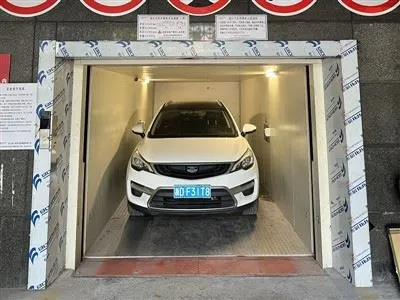
When it comes to the automotive industry, vehicle lifts are indispensable tools for repair shops, garages, and even some home enthusiasts. As a vehicle lift supplier, I've encountered a variety of customers with different needs, and a common question that arises is about the differences between light - duty and heavy - duty vehicle lifts. In this blog post, I'll delve into the key disparities to help you make an informed decision when choosing the right lift for your specific requirements.
1. Capacity
The most obvious difference between light - duty and heavy - duty vehicle lifts lies in their weight - bearing capacity. Light - duty vehicle lifts are designed to handle smaller and lighter vehicles. Typically, these lifts can support weight ranging from 2,000 to 8,000 pounds. They are well - suited for regular sedans, compact cars, and small SUVs. For example, a standard light - duty two - post lift can easily lift a family sedan for routine maintenance tasks such as oil changes, tire rotations, and brake inspections.
On the other hand, heavy - duty vehicle lifts are built to accommodate larger and heavier vehicles. Their capacity can start from 10,000 pounds and go up to as high as 100,000 pounds or more. These lifts are essential for commercial garages and repair shops that deal with trucks, buses, and other large - scale vehicles. A heavy - duty four - post lift, for instance, can safely elevate a full - size pickup truck or a medium - duty delivery van, allowing mechanics to perform comprehensive repairs and maintenance.
2. Construction and Durability
The construction materials and overall design of light - duty and heavy - duty vehicle lifts also differ significantly. Light - duty lifts are usually made of lighter - gauge steel and have a more streamlined design. This makes them more affordable and easier to install, especially in smaller spaces. However, they are not built to withstand the constant stress and heavy loads associated with large vehicles. The components of light - duty lifts, such as the columns, arms, and hydraulic cylinders, are sized and engineered for lighter applications.
Heavy - duty vehicle lifts, in contrast, are constructed with thicker and stronger steel. The frames are more robust, and the components are larger and more durable. They are designed to endure the high pressures and repeated use that come with lifting heavy vehicles. The hydraulic systems in heavy - duty lifts are also more powerful and reliable, capable of handling the increased weight without compromising performance. For example, the hydraulic cylinders in a heavy - duty lift are larger in diameter and have higher pressure ratings compared to those in a light - duty lift.
3. Usage and Application
The intended usage and application of light - duty and heavy - duty vehicle lifts vary greatly. Light - duty lifts are often used in home garages, small independent repair shops, and quick - lube facilities. These environments typically deal with a high volume of smaller vehicles and focus on basic maintenance tasks. The ease of use and relatively lower cost of light - duty lifts make them a popular choice for these settings. Mechanics can quickly lift a vehicle, perform the necessary work, and move on to the next one.
Heavy - duty vehicle lifts are mainly found in commercial truck repair facilities, bus depots, and large automotive dealerships. These places require the ability to lift heavy vehicles for complex repairs, such as engine overhauls, transmission replacements, and suspension work. Heavy - duty lifts are also used in industrial settings where large vehicles are used for transporting goods or equipment. The high capacity and durability of these lifts ensure that they can handle the demands of these high - volume, heavy - load applications.
4. Cost
Cost is another important factor that differentiates light - duty and heavy - duty vehicle lifts. Light - duty lifts are generally more budget - friendly. Their lower manufacturing costs, due to the use of lighter materials and simpler designs, are reflected in their price tags. A basic light - duty two - post lift can cost anywhere from a few thousand dollars to around ten thousand dollars, depending on the brand, features, and capacity. This makes them accessible to home users and small businesses with limited budgets.
Heavy - duty vehicle lifts, on the other hand, are significantly more expensive. The high - quality materials, advanced engineering, and larger components required for their construction drive up the cost. A heavy - duty four - post lift can cost upwards of twenty thousand dollars, and specialized heavy - duty lifts for extremely large vehicles can cost well over a hundred thousand dollars. However, for businesses that rely on lifting heavy vehicles, the investment in a heavy - duty lift is often justified by the long - term benefits and the ability to handle larger jobs.
5. Safety Features
Both light - duty and heavy - duty vehicle lifts are equipped with safety features, but the requirements and the level of sophistication can vary. Light - duty lifts typically have basic safety features such as mechanical locking systems to prevent the lift from accidentally lowering. These locks engage automatically when the lift reaches a certain height and can be released when the work is completed. Additionally, many light - duty lifts have safety cables or chains to provide an extra layer of protection in case of hydraulic failure.
Heavy - duty vehicle lifts, due to the higher risks associated with lifting heavy loads, are equipped with more comprehensive safety features. In addition to mechanical locking systems and safety cables, they often have advanced hydraulic safety valves that prevent over - pressurization and sudden drops. Some heavy - duty lifts also come with electronic monitoring systems that can detect any abnormalities in the lift's operation, such as uneven lifting or hydraulic leaks, and alert the operator immediately.


Our Product Offerings
As a vehicle lift supplier, we offer a wide range of light - duty and heavy - duty vehicle lifts to meet the diverse needs of our customers. Our Mechanical Auto Lift is a popular choice for light - duty applications. It is easy to install and operate, making it ideal for home garages and small repair shops. For those who prefer a more advanced option, our Electric Mechanical Lifting Machine provides smooth and reliable lifting performance.
For heavy - duty requirements, our Hydraulic Automotive Lift is a top - of - the - line solution. With its high - capacity design and robust construction, it can handle even the heaviest vehicles with ease. Our heavy - duty lifts are also equipped with the latest safety features to ensure the well - being of your mechanics and the integrity of your vehicles.
Conclusion
In conclusion, the differences between light - duty and heavy - duty vehicle lifts are significant and revolve around capacity, construction, usage, cost, and safety features. When choosing a vehicle lift, it is crucial to consider the types of vehicles you will be working on, the volume of work, and your budget. As a vehicle lift supplier, we are committed to providing high - quality lifts that meet the specific needs of our customers. Whether you need a light - duty lift for your home garage or a heavy - duty lift for your commercial repair shop, we have the right solution for you.
If you are interested in our vehicle lifts or have any questions about choosing the right lift for your needs, we encourage you to contact us for further discussion and potential procurement. We look forward to helping you find the perfect vehicle lift for your operations.
References
- Automotive Lift Institute (ALI). Standards for Automotive Lifts.
- SAE International. Recommended Practices for Vehicle Lifting Equipment.
- Various industry publications on automotive repair and vehicle lift technology.