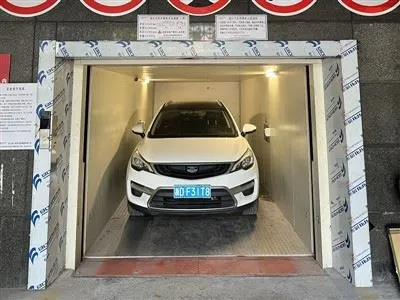
Tunnel aisle stacking car parks represent an innovative solution to the ever - growing parking challenges in modern cities. As a supplier of tunnel aisle stacking car parks, I have witnessed the importance of cultural considerations in the design process. These considerations are not only about aesthetics but also about functionality, user experience, and long - term acceptance in different regions.
Cultural Aesthetics and Design
One of the most obvious cultural considerations in the design of a tunnel aisle stacking car park is aesthetics. Different cultures have distinct preferences for colors, shapes, and architectural styles. In some cultures, bright and bold colors are associated with prosperity and good luck, while in others, more muted and natural tones are preferred for a sense of tranquility.
For example, in Asian cultures such as China and Japan, red is often a color of good fortune and celebration. Incorporating red elements into the signage or the structural design of the car park in these regions can create a positive and inviting atmosphere. On the contrary, in Western cultures, white and silver are often associated with modernity and cleanliness, which might be more suitable for a high - end, contemporary car park.


Shapes also carry cultural significance. In Islamic architecture, geometric patterns are highly valued for their spiritual and aesthetic qualities. A tunnel aisle stacking car park designed in a region with a strong Islamic influence could incorporate these geometric patterns into its facades or interior decorations. This not only respects the local culture but also adds a unique and memorable touch to the car park design.
User Behavior and Cultural Norms
Cultural norms regarding user behavior play a crucial role in the design of a tunnel aisle stacking car park. In some countries, people are more likely to be in a hurry and expect quick and efficient service. In such cases, the design should focus on minimizing waiting times. This could involve optimizing the stacking and retrieval algorithms, ensuring that the car park has a sufficient number of access points, and providing clear and intuitive signage.
On the other hand, in cultures where people are more laid - back and value social interaction, the car park design could include waiting areas with comfortable seating and perhaps even some form of entertainment. For example, in Mediterranean countries, people are used to taking their time and having conversations. A car park in this region could have a small coffee corner or a lounge area where users can relax while waiting for their cars.
Another aspect of user behavior is related to parking habits. In some cultures, people prefer to park their cars in a particular orientation, either for practical reasons (such as easier access to the trunk) or due to cultural beliefs. Designers need to take these preferences into account when planning the layout of the parking spaces.
Safety and Cultural Perceptions
Safety is a top priority in the design of any car park, but cultural perceptions of safety can vary. In some cultures, a highly visible and open design is considered safer because it allows users to see what is happening around them. In these cases, the tunnel aisle stacking car park could have large windows or glass partitions, and the lighting should be bright and evenly distributed.
In other cultures, a more enclosed and private design might be preferred for safety reasons. For example, in some areas where people are more concerned about theft or vandalism, a car park with solid walls and limited access points could be more appealing. The security systems also need to be tailored to cultural expectations. In some cultures, a visible security presence, such as guards on patrol, is reassuring, while in others, high - tech surveillance cameras might be considered sufficient.
Environmental and Cultural Values
Environmental awareness varies from culture to culture, and this can influence the design of a tunnel aisle stacking car park. In some regions, there is a strong emphasis on sustainability and environmental protection. In these areas, the car park design could incorporate green features such as solar panels on the roof to generate electricity, rainwater harvesting systems for irrigation, or the use of recycled materials in the construction.
In contrast, in cultures where economic development takes precedence over environmental concerns, the focus might be more on cost - effectiveness and functionality. However, as global environmental awareness grows, even these regions are becoming more receptive to sustainable design solutions.
Integration with Local Infrastructure and Culture
A successful tunnel aisle stacking car park design should be integrated with the local infrastructure and culture. This means considering the surrounding buildings, transportation networks, and community needs. For example, if the car park is located near a shopping mall, it should be easily accessible to shoppers and have a sufficient number of parking spaces to accommodate the peak traffic.
Moreover, the car park can also serve as a cultural landmark or a community hub. It could be designed to blend in with the local architectural style or even incorporate elements of local art and history. This not only enhances the cultural value of the car park but also helps to build a sense of community and identity.
The Role of Technology and Cultural Adaptation
In today's digital age, technology plays an important role in the design of tunnel aisle stacking car parks. However, the adoption and acceptance of technology can also be influenced by culture. In some cultures, people are more tech - savvy and are eager to embrace new technologies such as mobile payment systems, remote car retrieval, and real - time parking availability information.
In other cultures, there might be more resistance to new technologies due to concerns about privacy, security, or a lack of familiarity. Designers need to take these cultural differences into account when implementing technology solutions in the car park. For example, in a region where people are more cautious about sharing their personal information, the design should ensure that the technology is secure and respects user privacy.
Conclusion and Call to Action
As a supplier of tunnel aisle stacking car parks, I understand the complexity and importance of cultural considerations in the design process. By taking into account cultural aesthetics, user behavior, safety perceptions, environmental values, and local infrastructure, we can create car parks that not only meet the practical needs of users but also resonate with the local culture.
If you are facing Parking Challenges in Dense Urban Areas and are interested in a tunnel aisle stacking car park solution that respects and integrates with your local culture, we are here to help. Our team of experts has extensive experience in designing and implementing car parks around the world, and we can customize the solution to meet your specific requirements.
We also believe in the importance of structural design and reliability. You can learn more about the Structural Design Logic Of Lift & Slide Parking Systems and How Structural Standardization Improves Parking Reliability on our website.
If you are interested in discussing a potential project, please feel free to reach out to us. We are ready to start the conversation and work with you to create the perfect tunnel aisle stacking car park for your location.
References
- Various cultural studies on architecture and design preferences.
- Industry reports on parking solutions in different regions.
- Research on user behavior and technology adoption in the context of parking facilities.