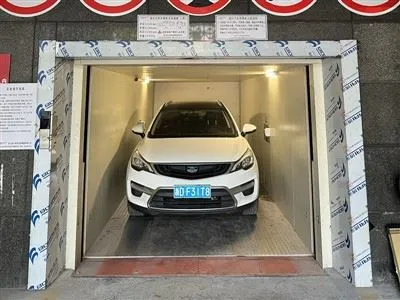
Hey there! As a supplier of Frame Vertical Parking Devices, I've seen firsthand the many benefits these systems bring to the table. They're a great solution for maximizing parking space in tight areas, offering a convenient and efficient way to park vehicles. But like any technology, they're not without their drawbacks. In this blog post, I'm going to dive into some of the disadvantages of Frame Vertical Parking Devices.
High Initial Investment
One of the most significant drawbacks of Frame Vertical Parking Devices is the high initial investment required. These systems are complex pieces of machinery that involve advanced engineering and technology. The cost of purchasing, installing, and commissioning a Frame Vertical Parking Device can be quite substantial. You've got to factor in the cost of the equipment itself, which includes the steel frames, lifting mechanisms, control systems, and safety features. Then there's the installation cost, which can vary depending on the site conditions, such as the need for foundation work or electrical connections.
For small businesses or property owners with limited budgets, this upfront cost can be a major deterrent. It might take a long time to recoup the investment through parking fees, especially if the demand for parking isn't high enough. Even for larger organizations, the high initial cost can put a strain on their finances, and they need to carefully consider the return on investment before making a decision.
Limited Vehicle Compatibility
Frame Vertical Parking Devices have certain limitations when it comes to the types of vehicles they can accommodate. These systems are designed to handle standard-sized cars, but they may not be suitable for larger vehicles such as SUVs, trucks, or vans. The dimensions of the parking spaces in a Frame Vertical Parking Device are typically fixed, and if a vehicle is too wide, too long, or too tall, it won't fit.
This limited vehicle compatibility can be a problem for parking facilities that serve a diverse range of vehicles. For example, in a commercial area where there are a lot of delivery trucks or in a residential complex where many residents own SUVs, a Frame Vertical Parking Device may not be able to meet the parking needs. It can lead to frustration for vehicle owners who are unable to park their vehicles in the system, and it may also result in lost business for the parking facility.
Maintenance and Repair Costs
Another disadvantage of Frame Vertical Parking Devices is the ongoing maintenance and repair costs. These systems are mechanical in nature, and like any mechanical equipment, they require regular maintenance to ensure they operate safely and efficiently. The maintenance tasks include lubricating moving parts, inspecting electrical components, and checking the structural integrity of the frames.
Over time, wear and tear can occur, and parts may need to be replaced. The cost of replacement parts can be expensive, especially for specialized components. Additionally, if there's a breakdown, it may require the services of a professional technician to diagnose and fix the problem. This can result in downtime for the parking facility, which can be inconvenient for users and can also lead to lost revenue.
You can learn more about the load distribution principles in these systems at Load Distribution Principles in Two-Tier Mechanical Parking. Understanding how the load is distributed is crucial for ensuring the long - term reliability of the device and can help in reducing maintenance costs.
Complexity of Operation
Frame Vertical Parking Devices are relatively complex to operate compared to traditional parking lots. Users need to follow a specific set of procedures to park and retrieve their vehicles. This can be a challenge for some people, especially those who are not familiar with the technology.
There may be a learning curve for users, and they may need to receive training on how to use the system properly. If users make mistakes during the parking or retrieval process, it can lead to malfunctions or even accidents. Moreover, in case of an emergency, the complexity of the system can make it difficult for users to quickly exit their vehicles.
Safety Concerns
Safety is always a top priority when it comes to parking systems, and Frame Vertical Parking Devices are no exception. While these systems are designed with safety features such as sensors, emergency stop buttons, and anti - fall devices, there are still some safety concerns.
For example, there is a risk of mechanical failure, which could cause a vehicle to fall or get stuck. In addition, if the system is not properly maintained, the safety features may not work as intended. There's also the risk of human error, such as users not following the correct procedures, which can lead to accidents.
The Application Boundaries Of Lift & Slide Systems can provide more insights into the safety aspects and limitations of these types of parking systems. Understanding these boundaries is essential for ensuring the safe operation of the Frame Vertical Parking Device.
Installation Time
The installation of a Frame Vertical Parking Device can be a time - consuming process. It involves site preparation, including excavation and foundation work, as well as the assembly and installation of the equipment. Depending on the size and complexity of the system, the installation can take several weeks or even months.


During the installation period, the parking area may be unavailable, which can cause inconvenience to users. For businesses that rely on parking facilities, this can result in lost customers. You can find more information about how long the installation usually takes at How Long Does Installation Usually Take?.
Dependence on Power
Frame Vertical Parking Devices are powered by electricity, which means they are dependent on a reliable power supply. In the event of a power outage, the system may not be able to operate, and vehicles may be trapped inside. This can be a major inconvenience for users, especially if the power outage is prolonged.
Backup power systems can be installed to mitigate this risk, but they add to the cost and complexity of the system. Additionally, the backup power systems need to be regularly maintained to ensure they are in working condition.
Aesthetics
In some cases, the appearance of Frame Vertical Parking Devices may not be aesthetically pleasing. These systems are often large and bulky, and they can dominate the landscape. This can be a concern in areas where the visual appeal is important, such as in historical or residential areas.
Property owners may need to consider the impact of the parking device on the overall look of the area and may need to take steps to make it more visually appealing, such as adding landscaping or architectural features.
Despite these disadvantages, Frame Vertical Parking Devices still offer a lot of advantages, such as space - saving and increased parking capacity. If you're considering investing in a Frame Vertical Parking Device, it's important to weigh the pros and cons carefully.
If you're interested in learning more about our Frame Vertical Parking Devices or have any questions about how they can work for your specific needs, don't hesitate to reach out. We're here to help you make an informed decision and find the best parking solution for your situation. Let's start a conversation about how we can meet your parking requirements!
References
- Industry reports on mechanical parking systems
- Technical documentation of Frame Vertical Parking Devices